There are projects you work on, and there are projects that become part of your life.
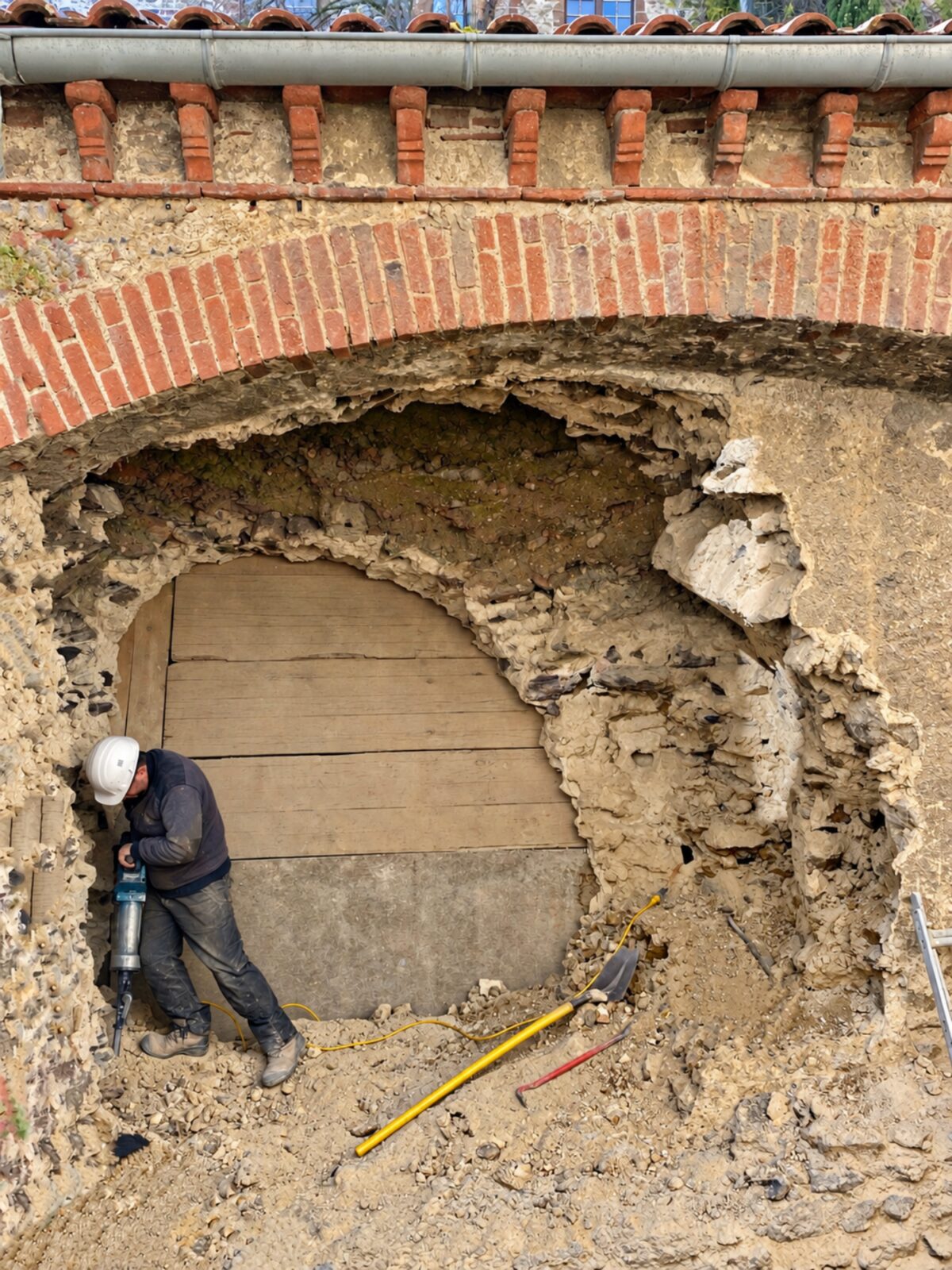
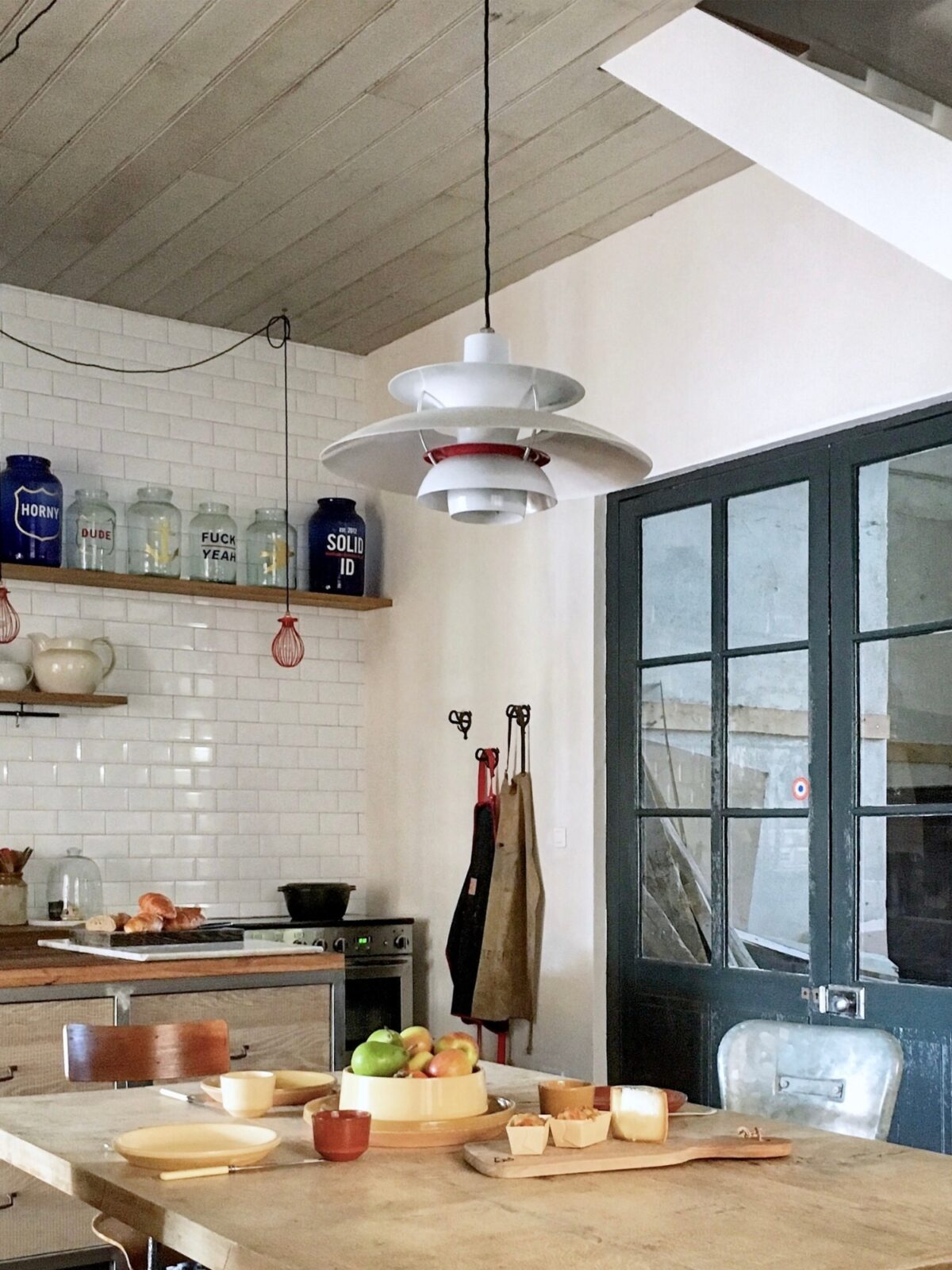
For Eelke, Solid Floor’s founder and co-owner, a historic property in rural central France has become both. He bought part of the former château several years ago. Since then, he has been gradually transforming it into a home, a place to work and a setting for his other creative interests.
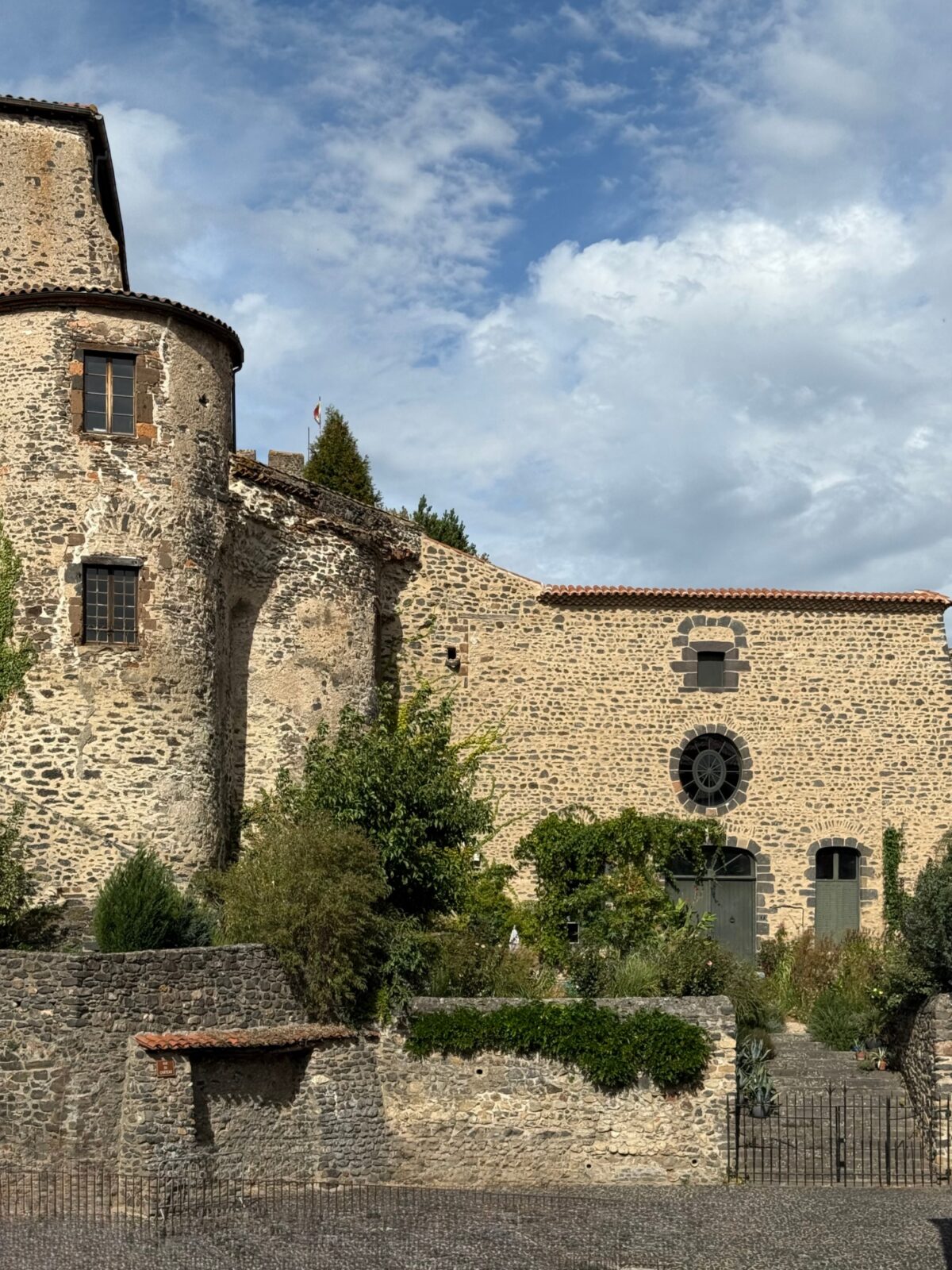
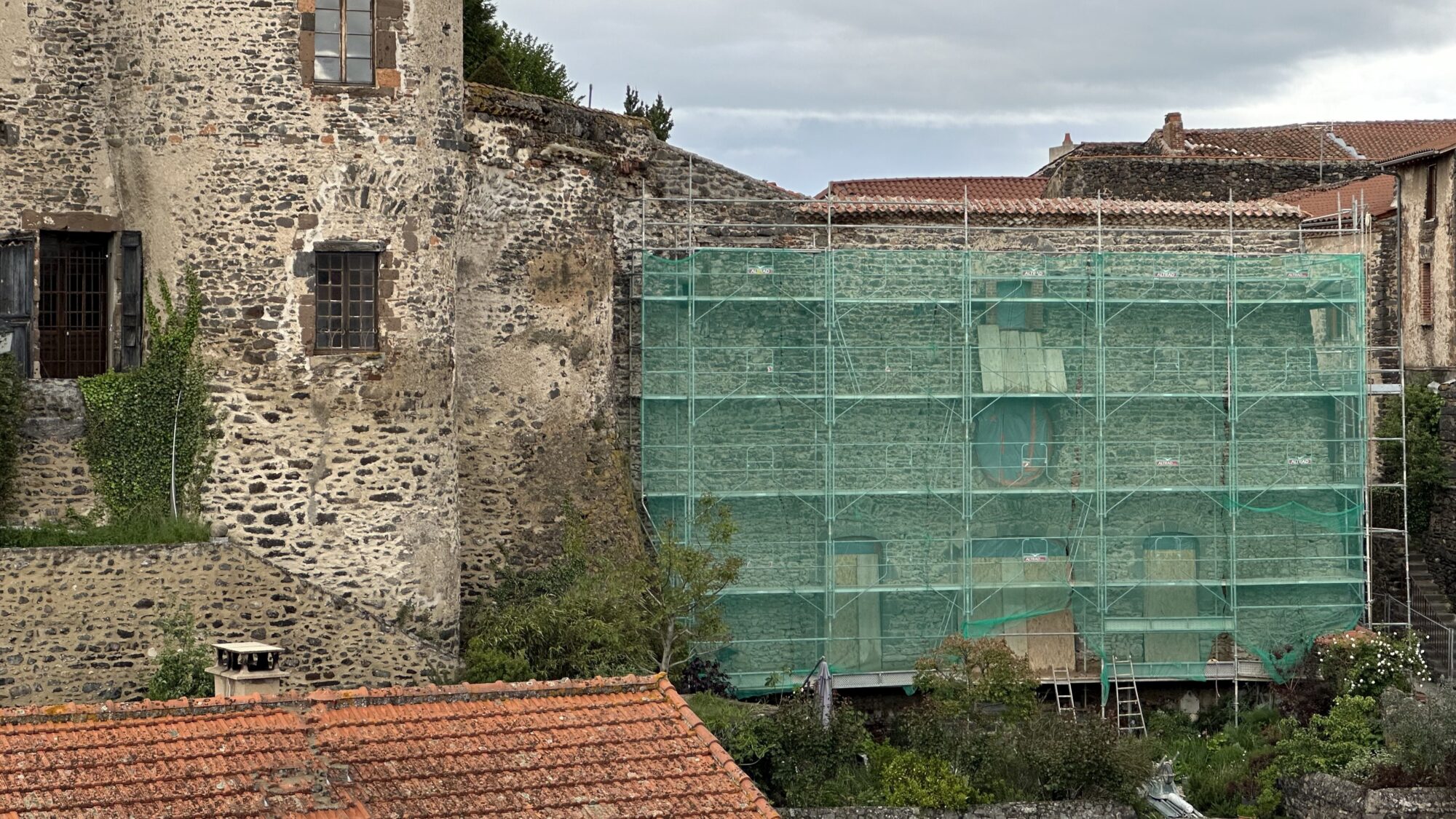
The building has a long and varied history. Its origins lie in a 14th-century fortified structure, with much of what stands today added during the 17th and 18th centuries.
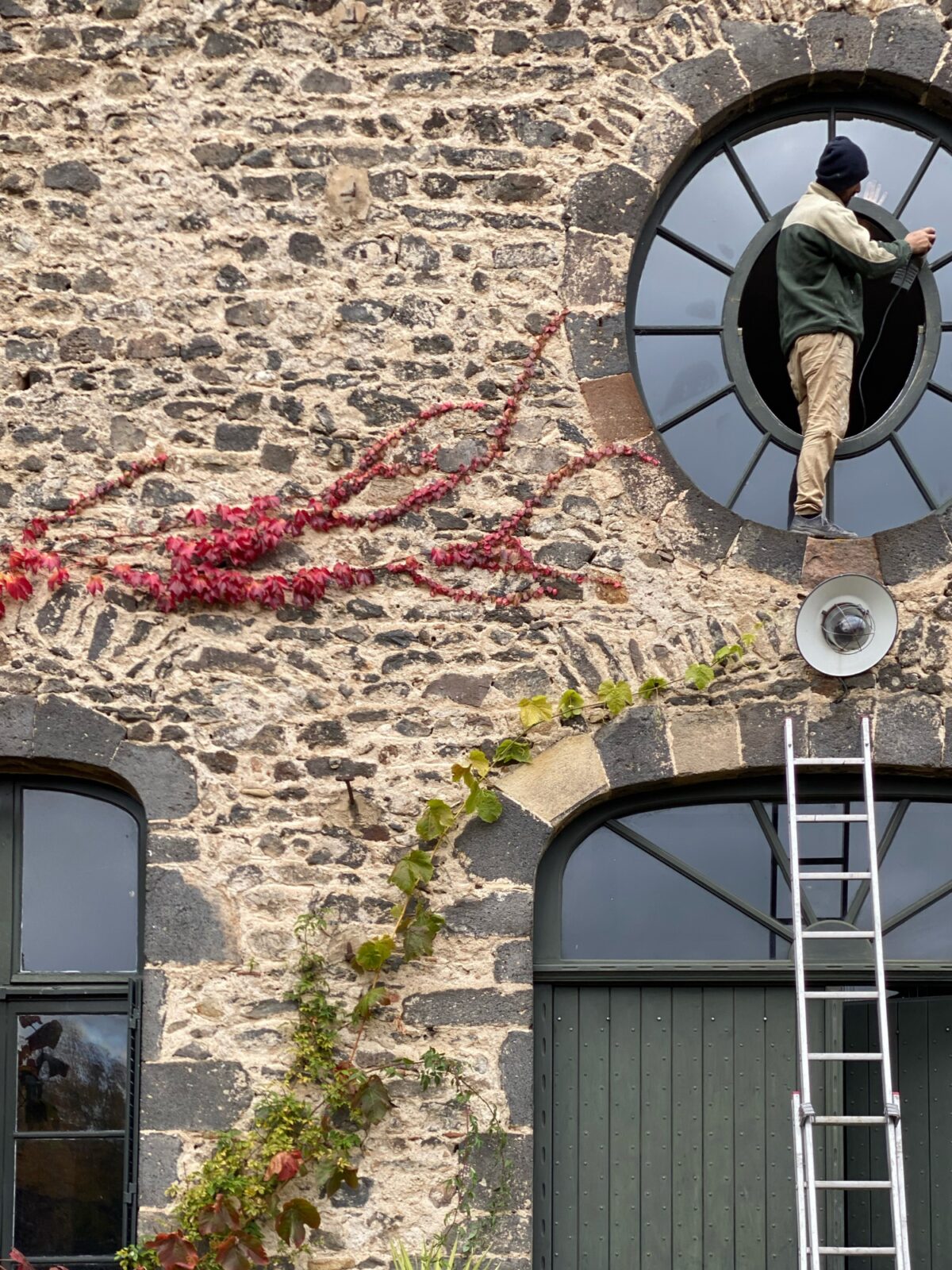
Eelke’s part of the building had an especially varied past. Originally an equestrian hall, it later became a church, then a school, a town hall and a village gathering space. He saw an opportunity to give the building an entirely new life.
A blank canvas with a past
Eelke has long been drawn to historic buildings, particularly those with an industrial or working past. What attracted him here was not simply the architecture, but the scale and possibilities of the space.
“I have always been interested in buildings that have had a previous life. They have a character and a sense of history that you cannot manufacture. This one offered something quite unusual: a huge, open space that I could make my own.”
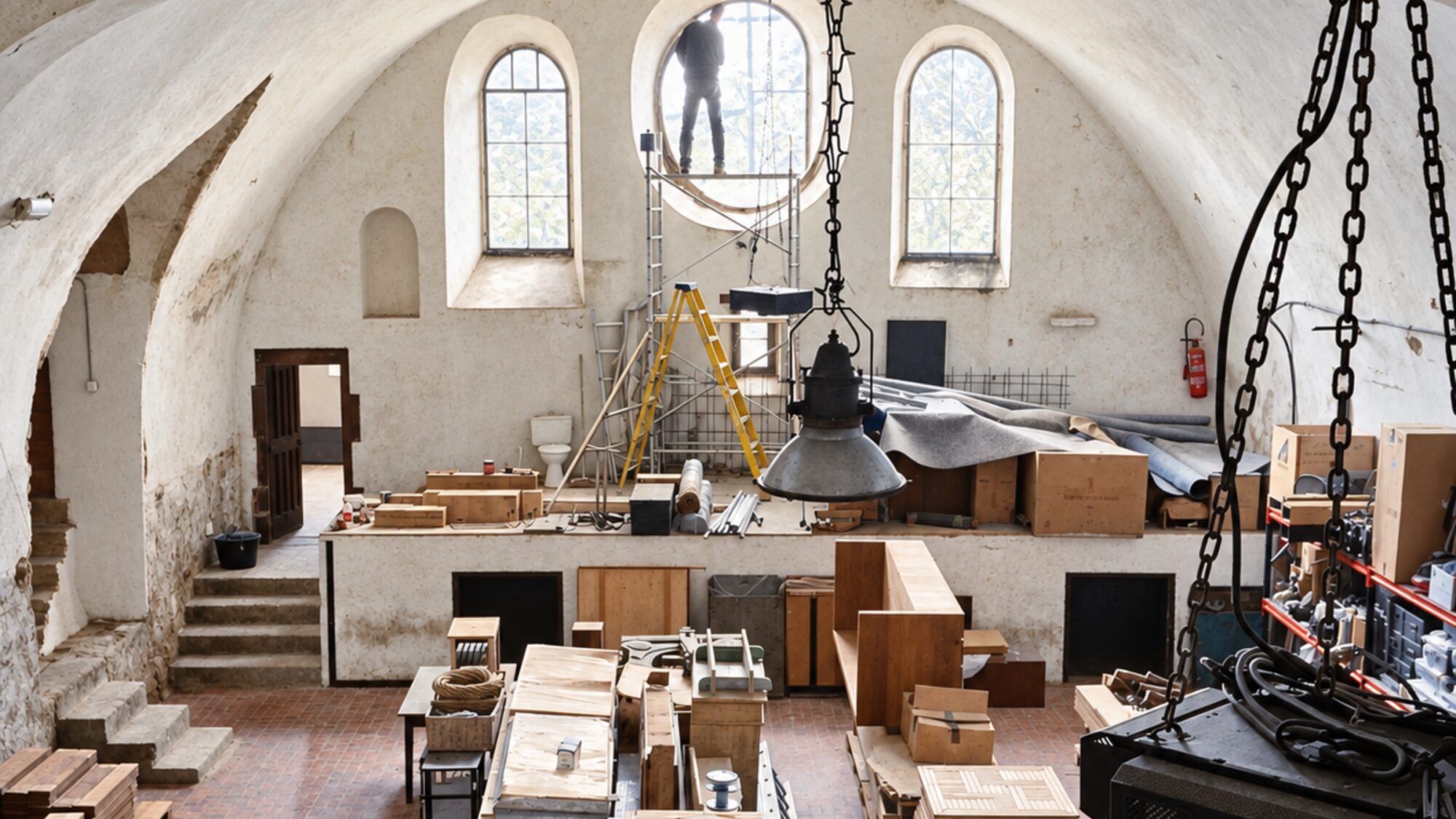
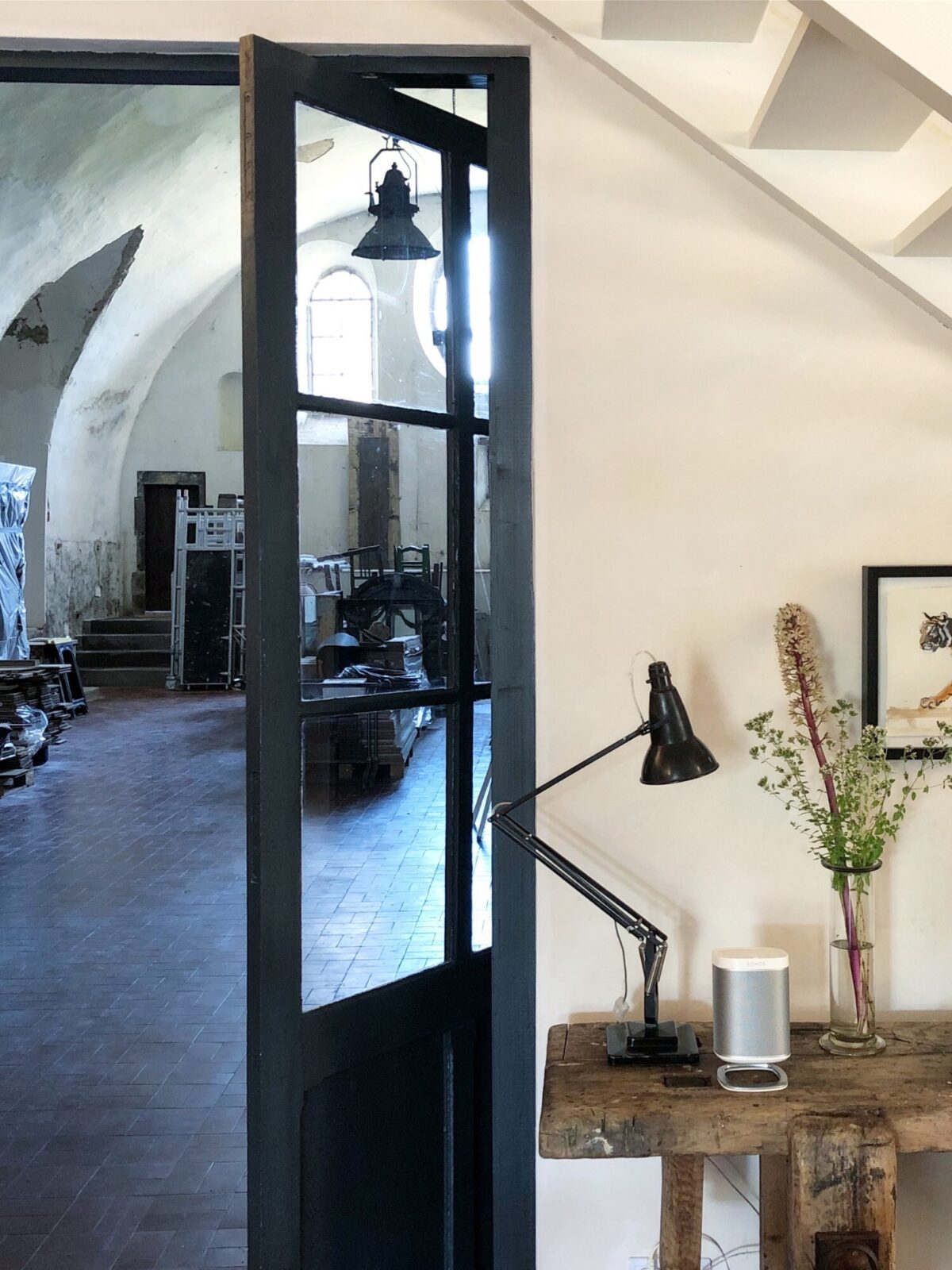
Although the exterior is protected, the interior gave Eelke considerable freedom. He could develop his own ideas and create a home that responds to the building without being bound by its former uses. There was another attraction, too. Beyond the living areas lies the vast former village ‘salle de fete’, which now serves as his workshop for new flooring designs and other creative projects.
“I liked the idea of having somewhere to live and, at the same time, a proper space to work. The workshop gives me room to experiment with new flooring ideas and other projects that would be difficult to develop in a conventional home.”
It is a practical arrangement, but also a natural extension of his interest in materials and design.
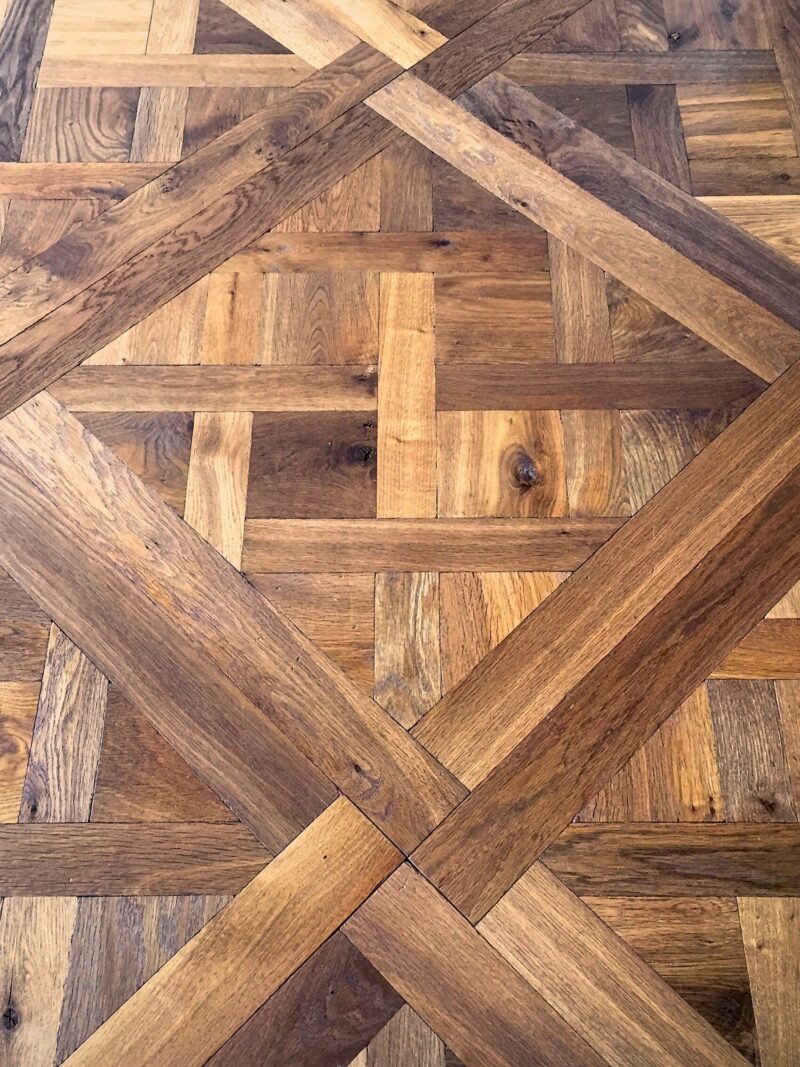
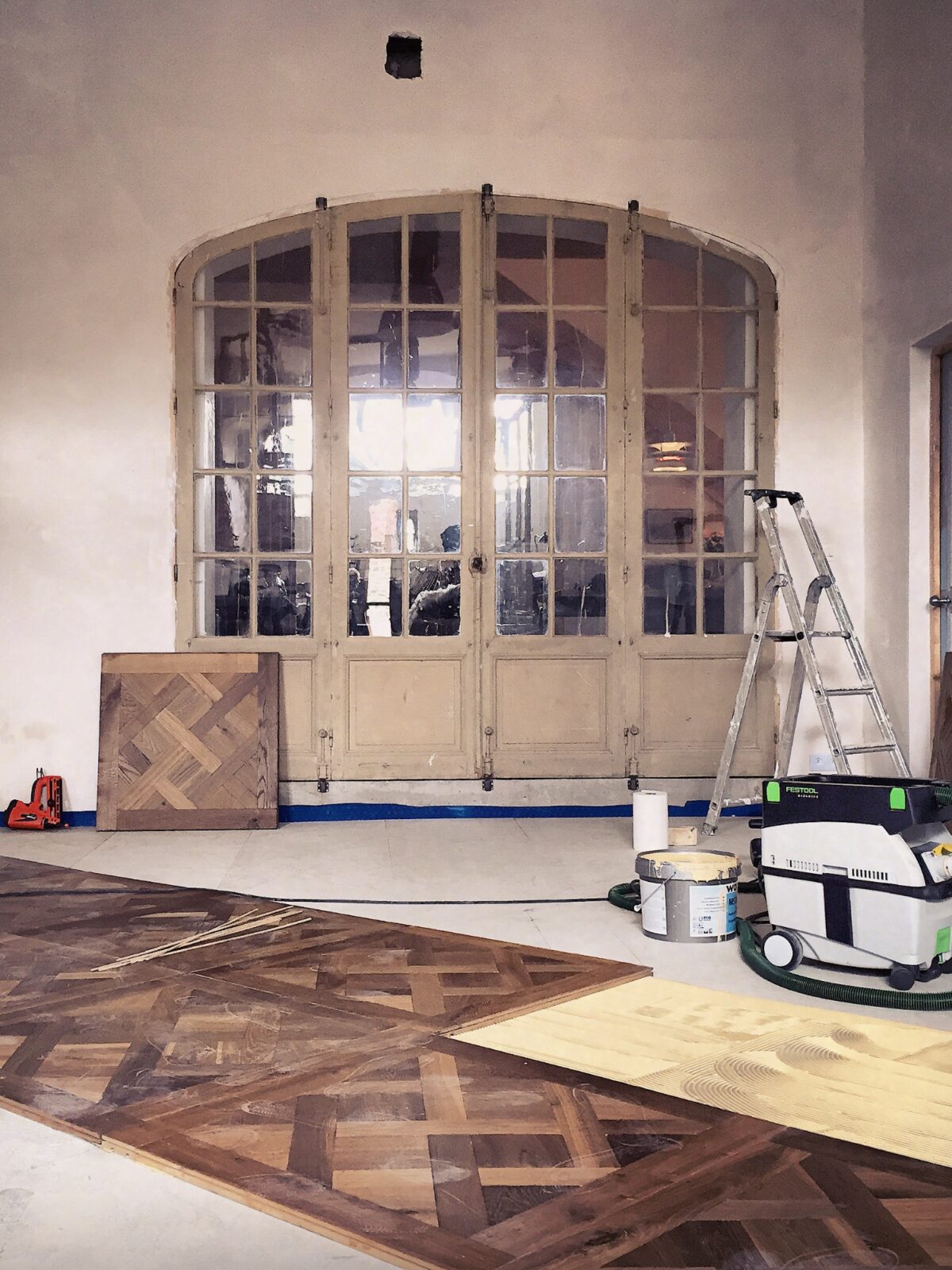
Versailles Panel in rich brown oak
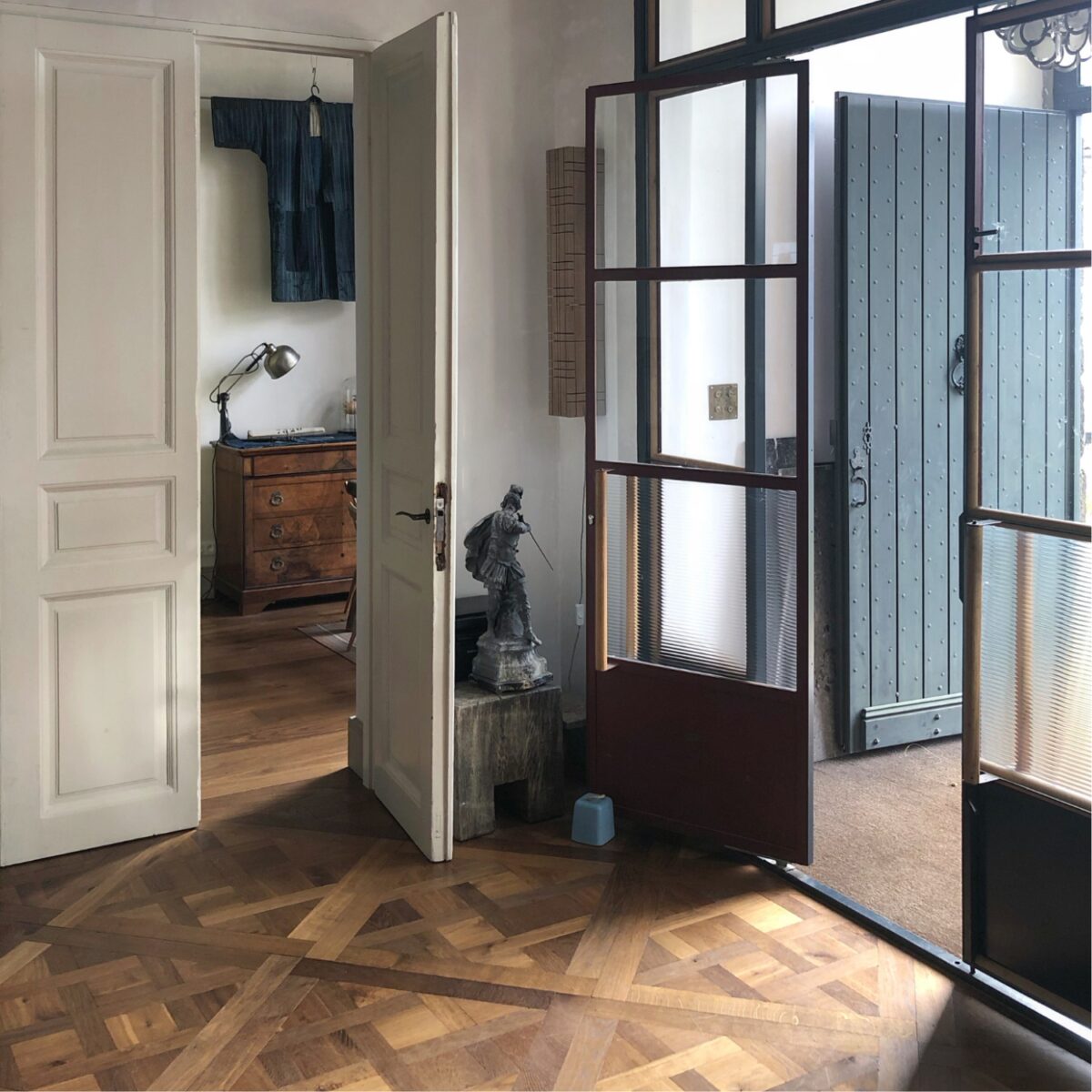
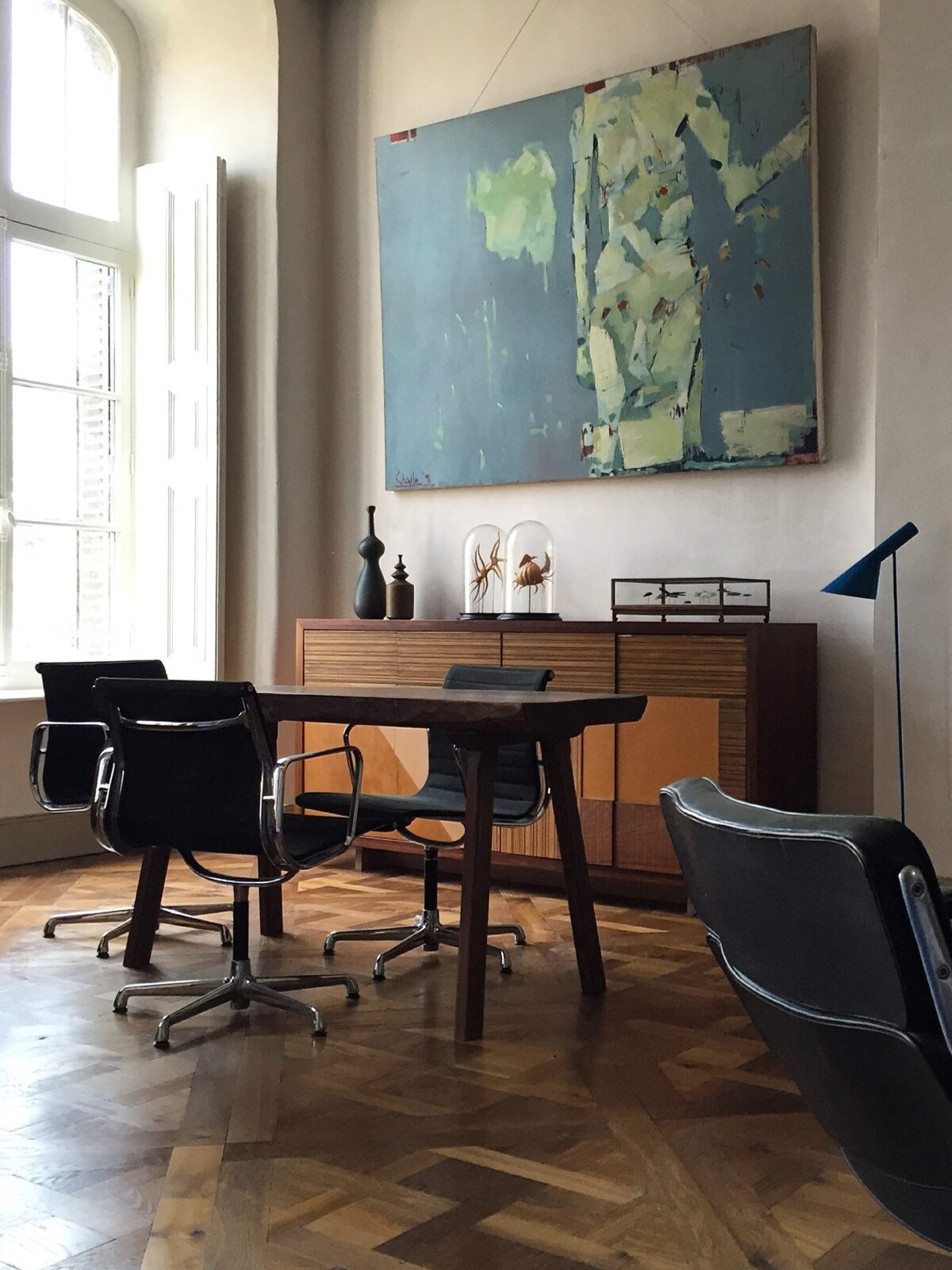
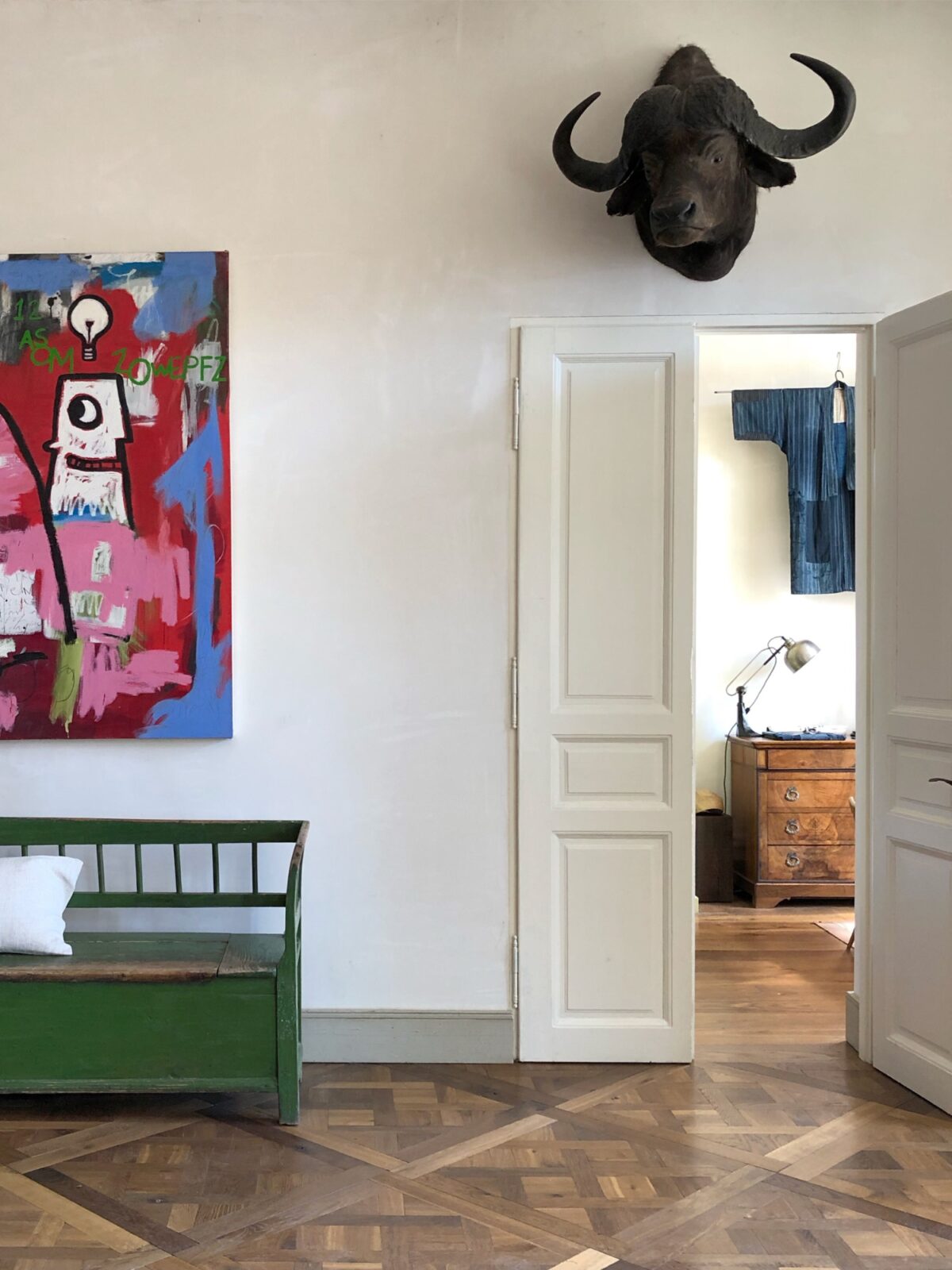
In the entrance and living spaces, Landmark Tatton oak has been laid as Versailles panels. The pattern has strong historical associations, but here it sits within a much more eclectic interior.

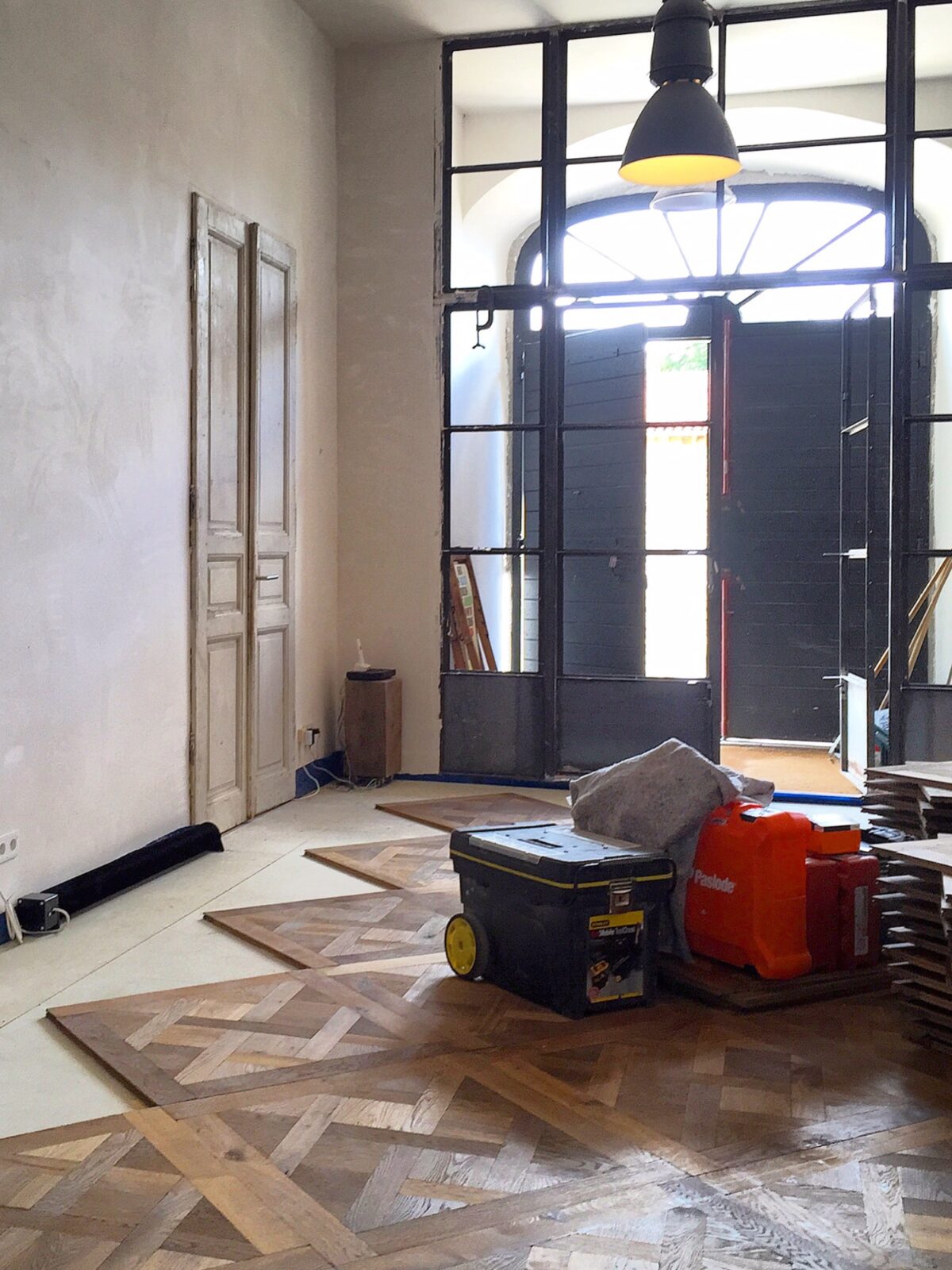
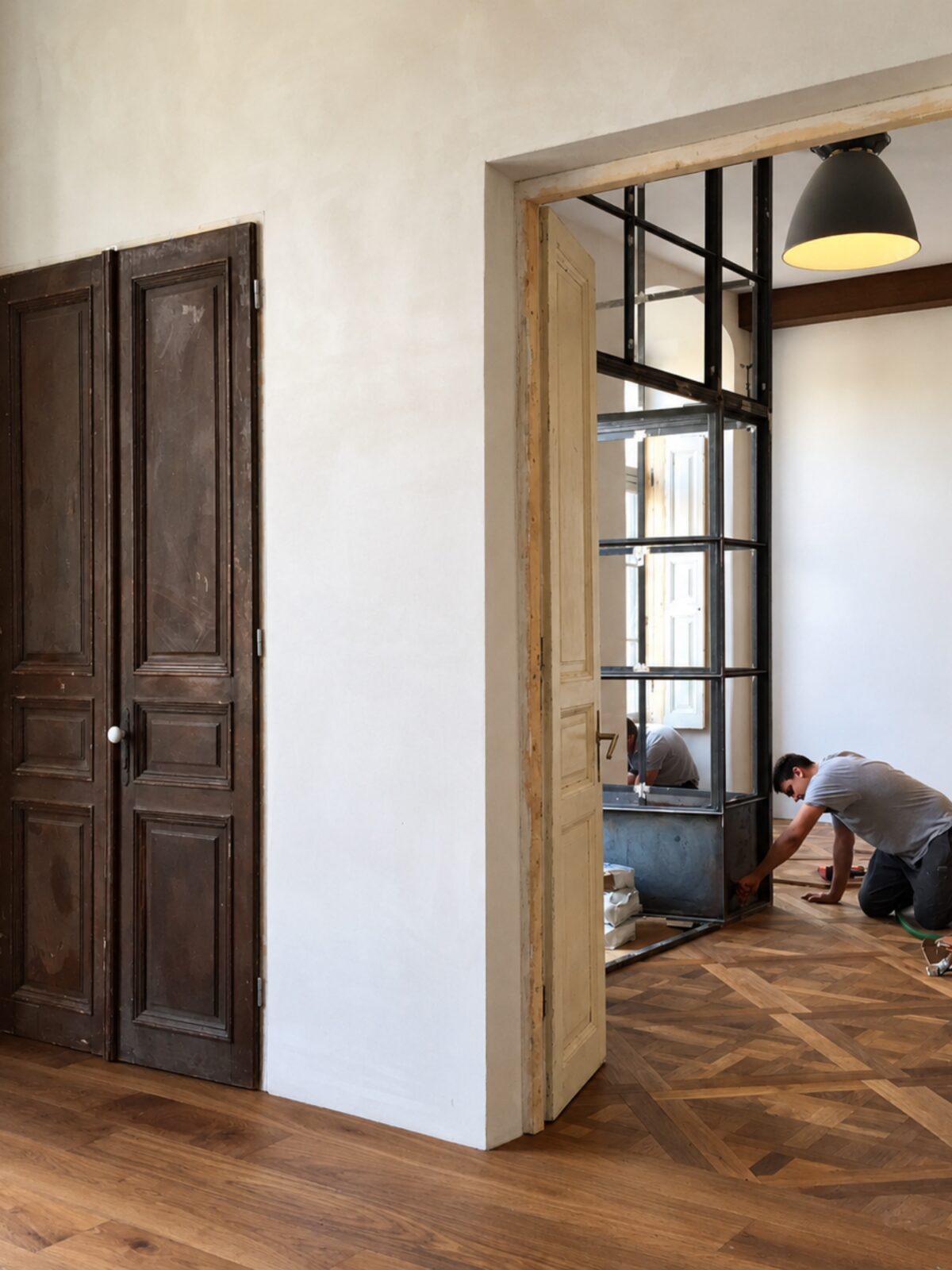
Classic pattern, eclectic setting
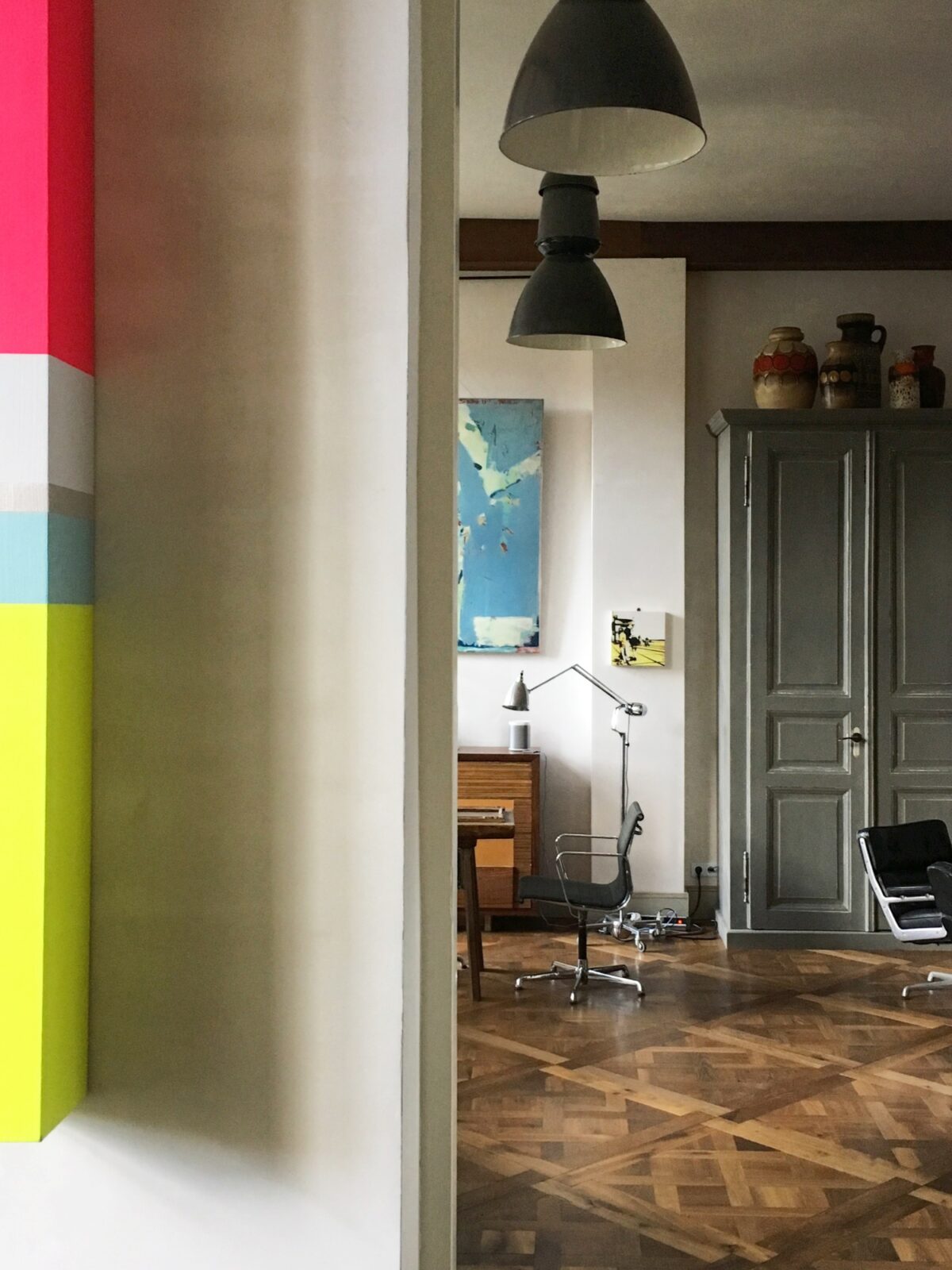
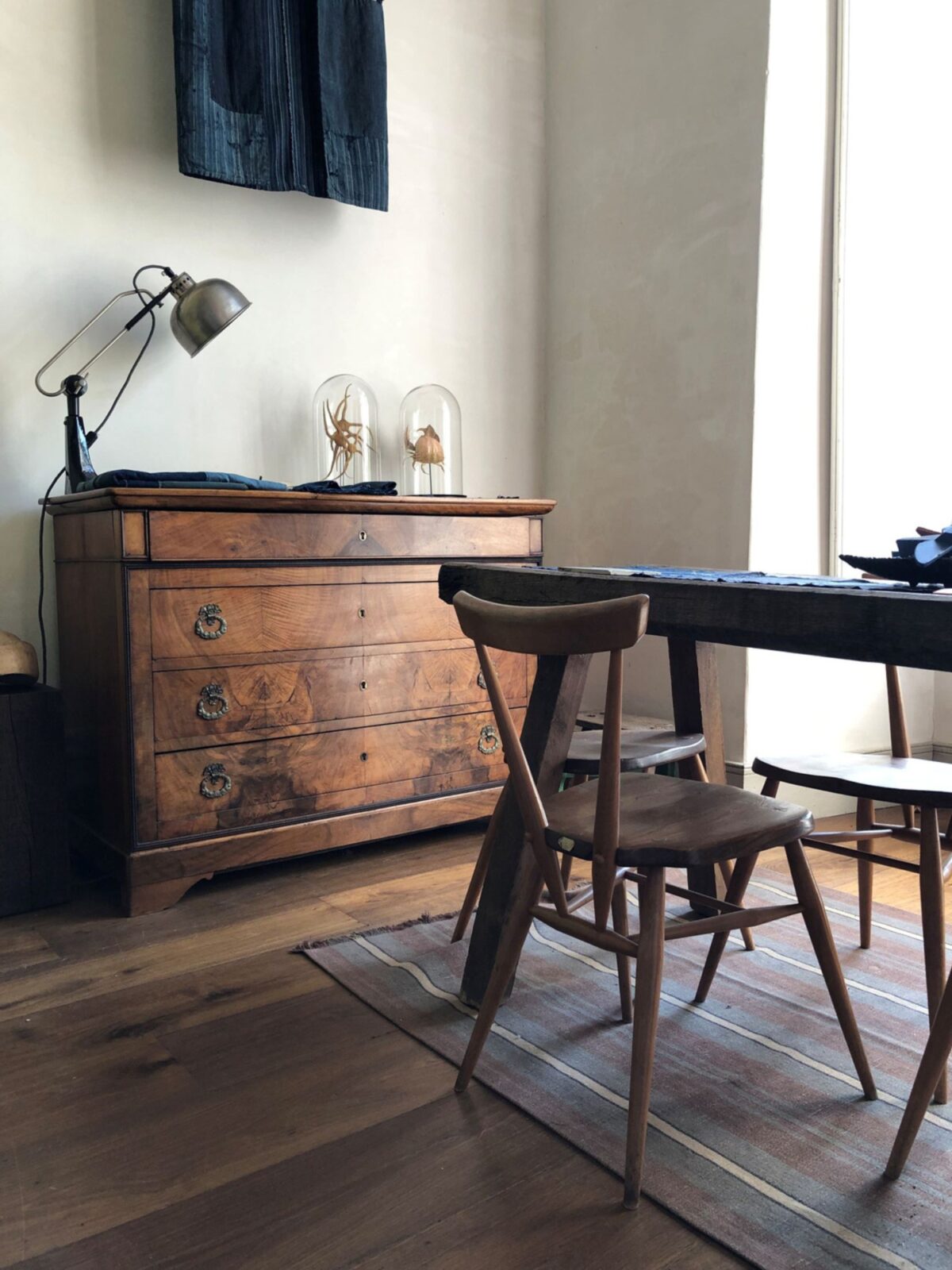
Traditional doors and antique furniture meet contemporary architectural details, black metal-framed glazing and collected objects. The result acknowledges the building’s past without attempting to recreate a period interior.
This is what makes the project particularly interesting. The different elements are not coordinated in a conventional sense, yet they feel connected. The floor contributes its own pattern and character while allowing the furniture, objects and architecture to retain their individuality.
Classic parquet need not be confined to traditionally styled rooms. In an eclectic setting, its geometry can provide a counterpoint to contemporary details and more informal combinations of furniture and materials.
Sometimes, the contrast is precisely what makes it work.

One oak, two different expressions
Another thoughtful decision is the way the flooring changes from room to room.
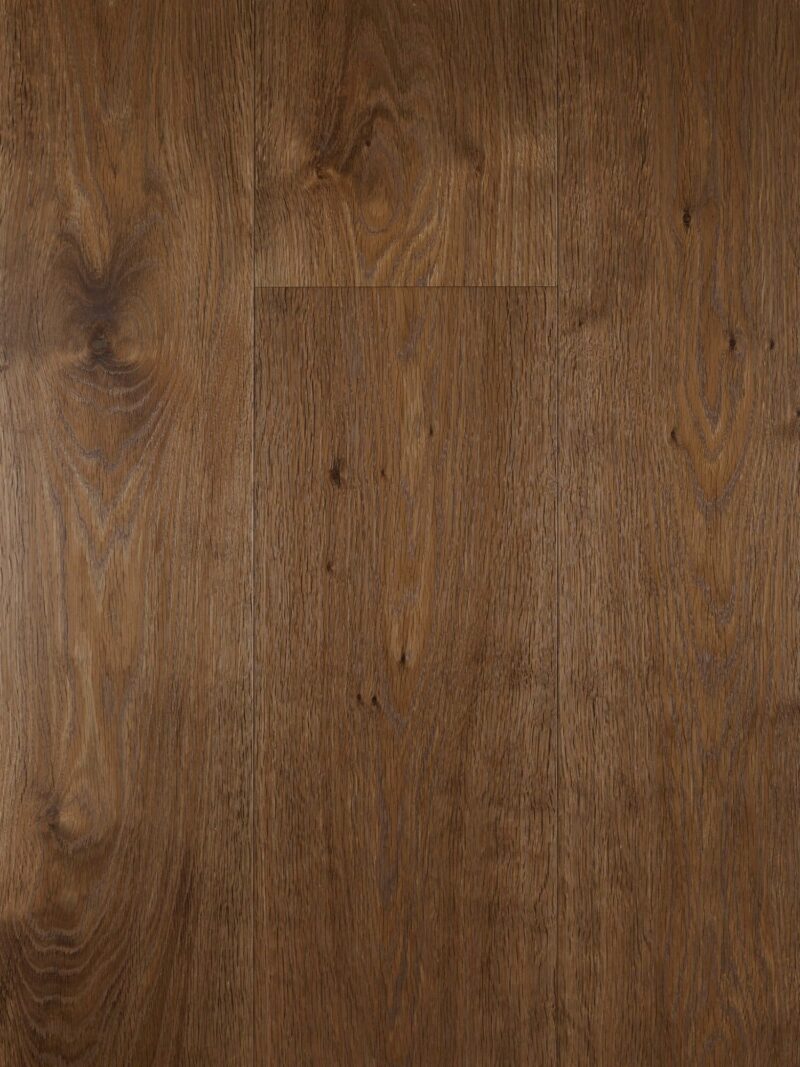
In the entrance and living spaces, the Versailles panels bring pattern, scale and a sense of occasion. In the adjacent bedroom, the same Landmark Tatton oak takes the form of wide boards, creating a quieter, more understated atmosphere.
The material remains consistent, but the change in format gives each space its own character.
It is a useful approach when planning a whole house. Flooring does not have to look identical throughout to create continuity. A single timber, interpreted through different patterns and formats, can connect rooms without making them feel repetitive.
It can also be a considered way to manage budget. A more intricate pattern can be reserved for the spaces where it will have the greatest impact, while simpler boards are used in more private areas.
The result is a scheme that feels cohesive without becoming uniform.
A garden to call his own
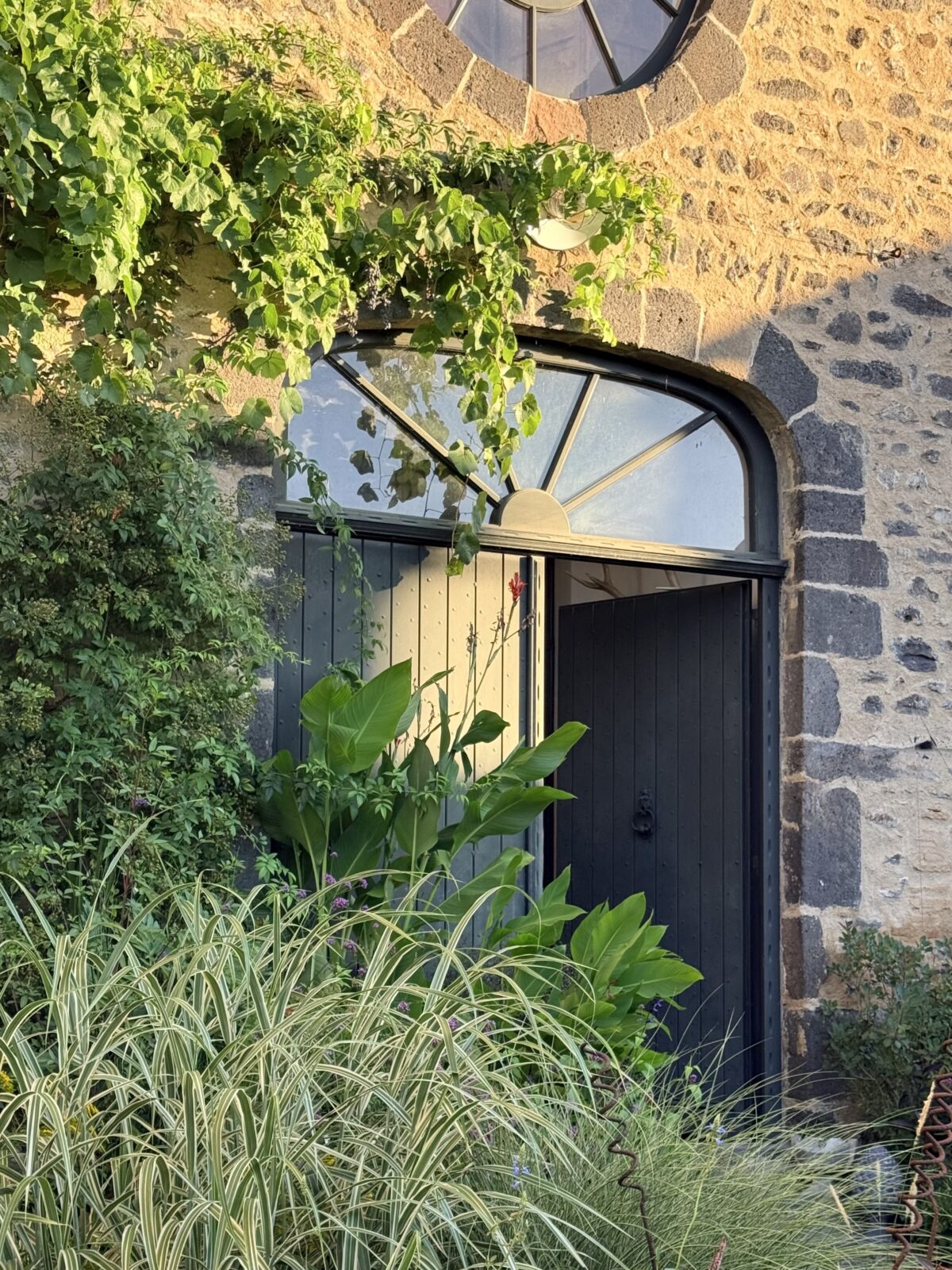
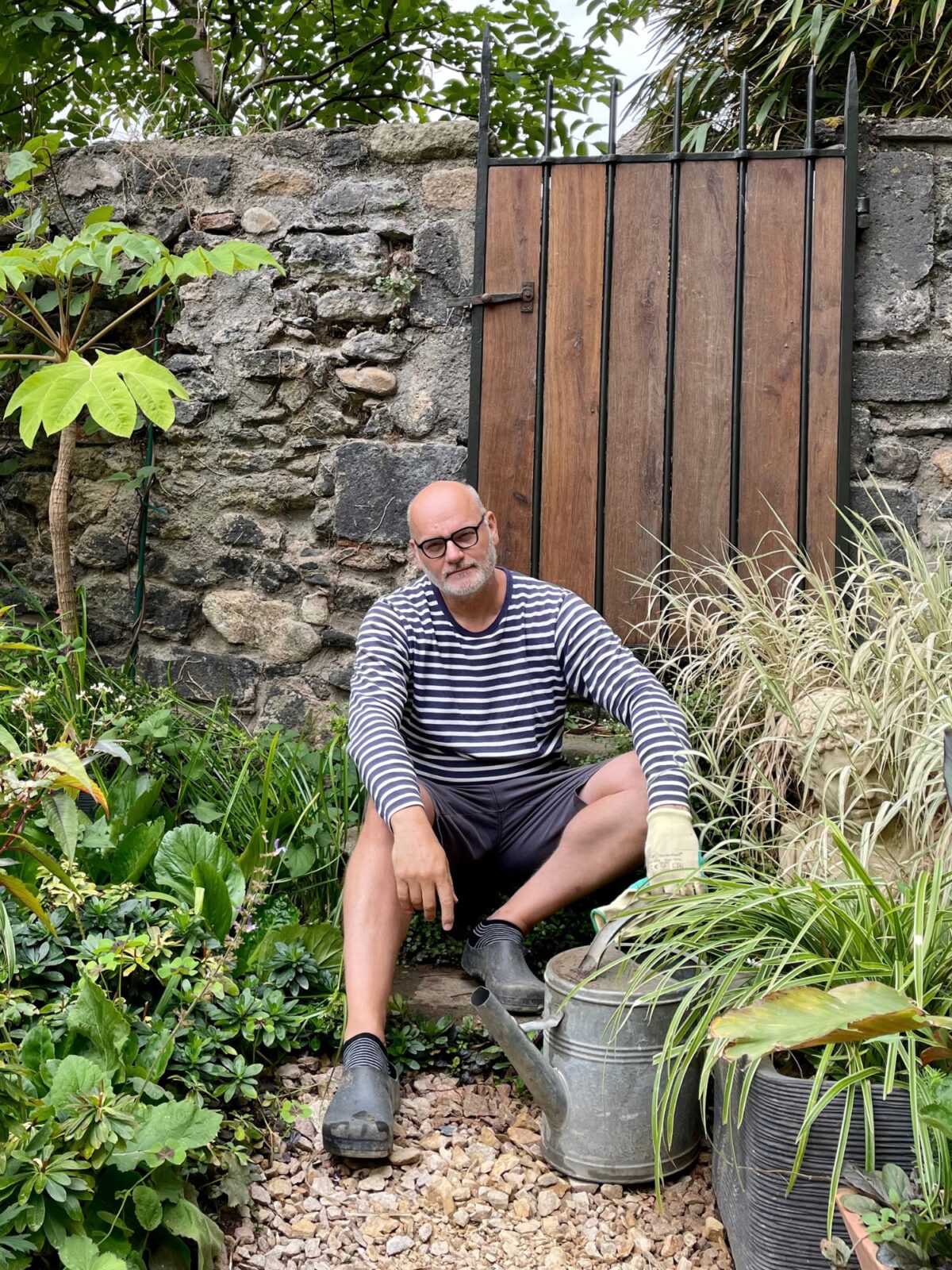
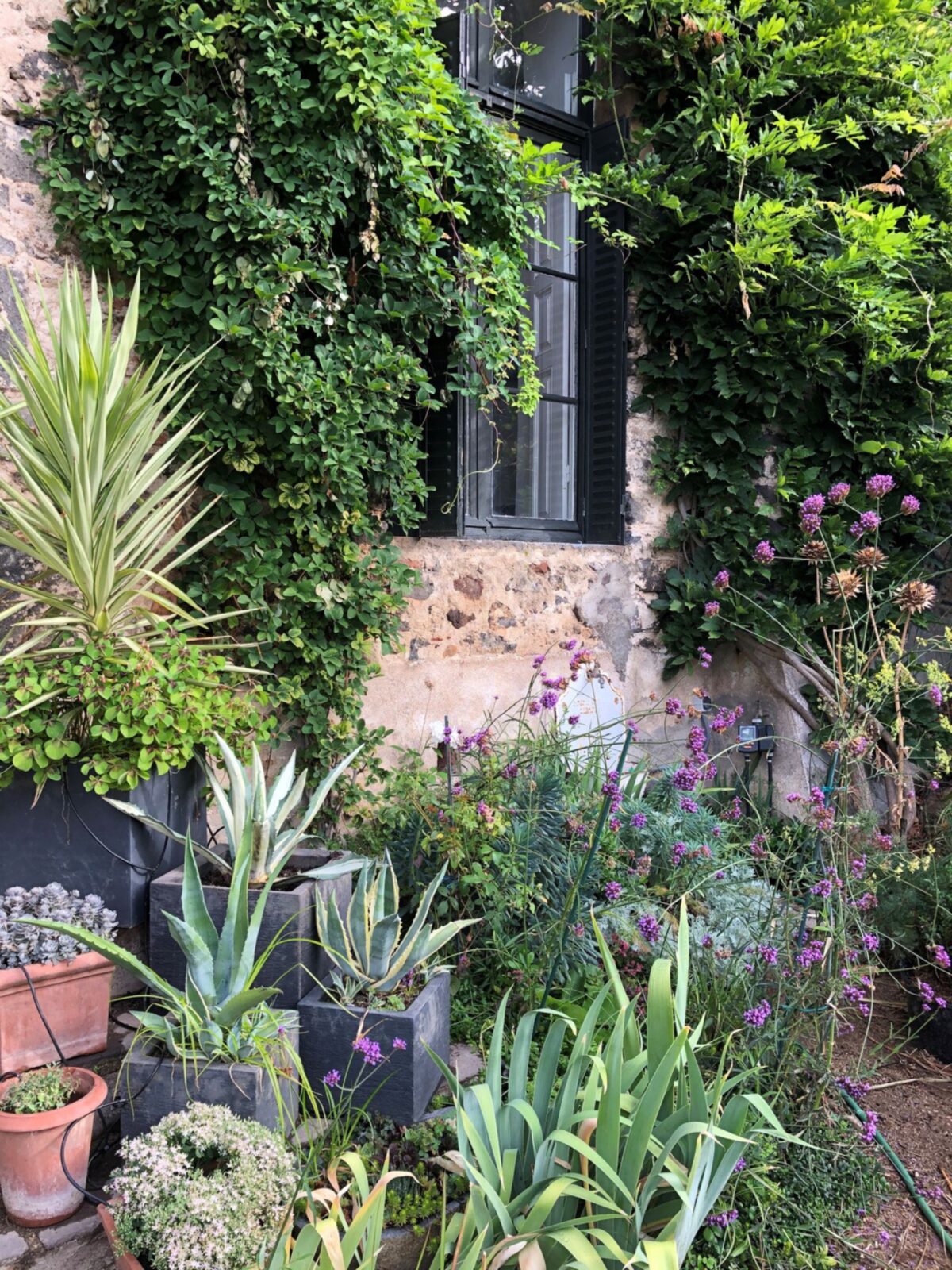
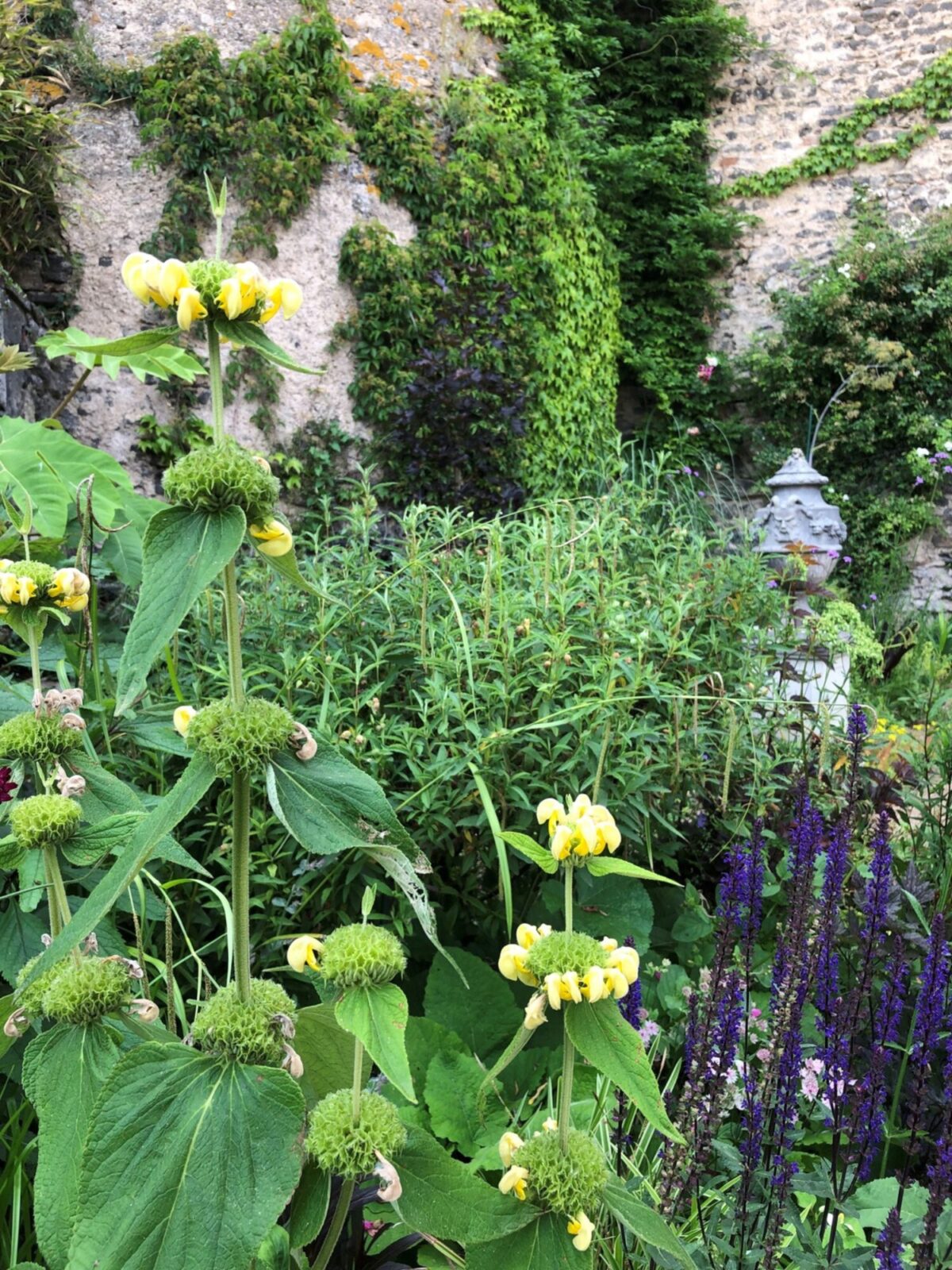
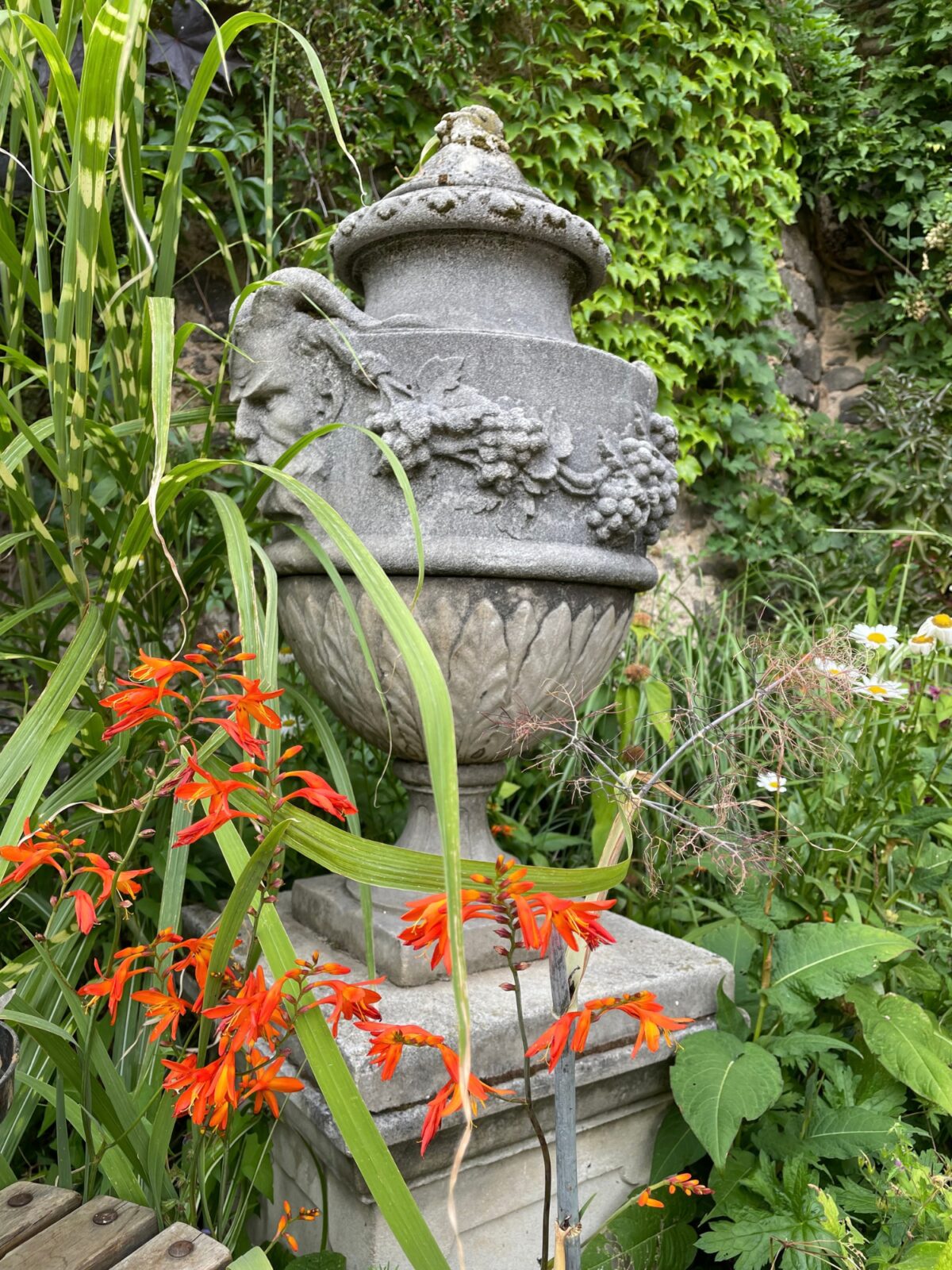
The house is only part of the story. Eelke has always been a keen gardener, and the gravel garden at the front of the property is an important part of life at the château.
During the Covid years, spending more time there allowed him to devote himself to the garden. A longstanding interest became an increasingly absorbing part of his time at the property.
The garden is now a natural counterpart to the house: another space shaped over time, through experimentation, patience and a personal understanding of the setting.
Together, the building, interiors, workshop and garden make this more than a refurbishment. They reflect the different ways Eelke wants to use the property and the freedom to pursue them in one place.
Making a house your own
For us, this project is a reminder that good interiors do not need to follow a single design language.
A historic building can accommodate contemporary interventions. A classic Versailles pattern can sit comfortably alongside modern architecture. And the same oak can take on different characters depending on the pattern in which it is laid.
The most interesting results often come from understanding what a building offers, knowing what to preserve and being confident enough to introduce something unexpected.
Visit our London showrooms
Timber is best understood in person, where you can appreciate the variation in grain, tone, texture and pattern. Whether you are exploring initial ideas or working through specification and installation, we are happy to help.